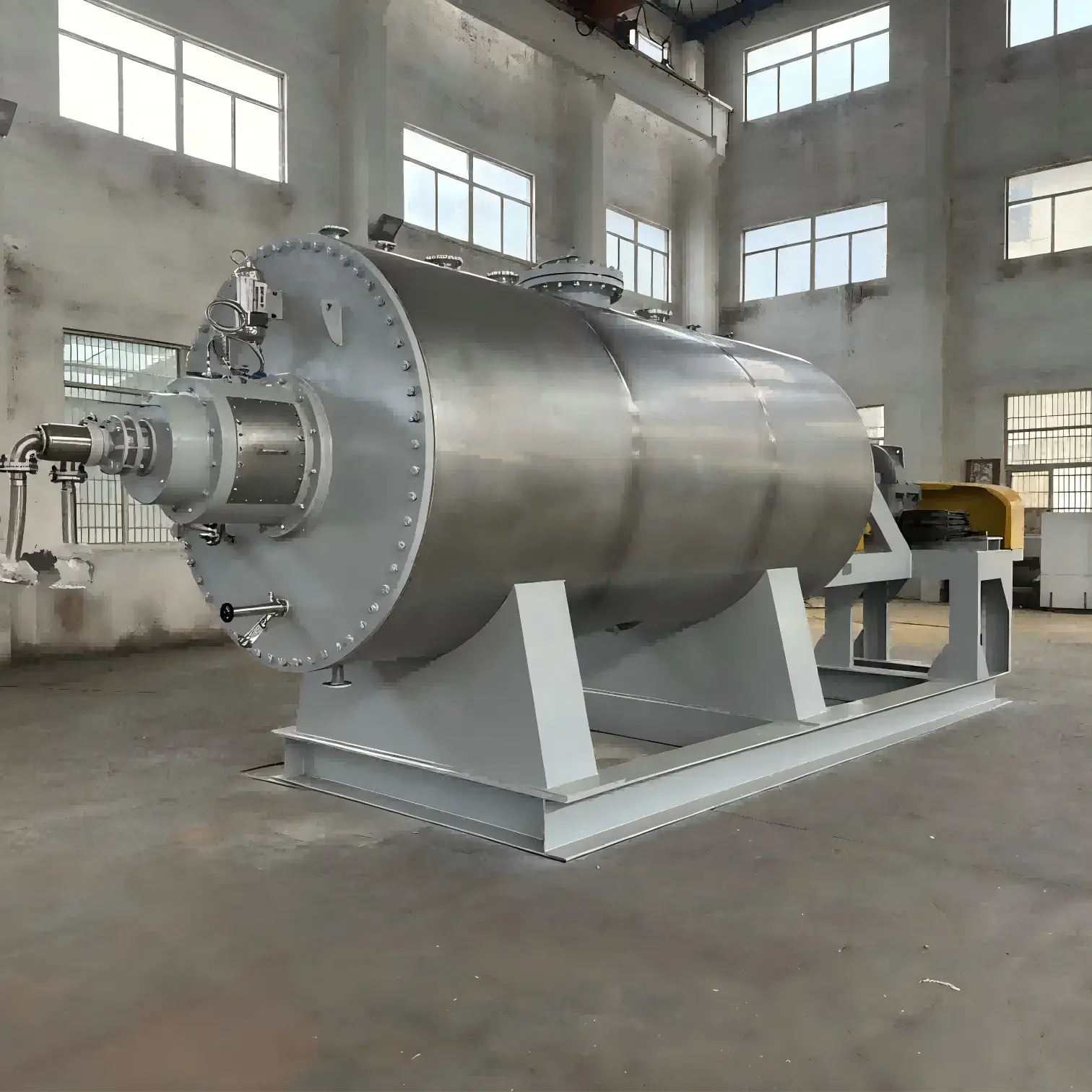
The Industrial Batch System, the Continuous Feed Processor, and the Great Laboratory model are the three best drying systems for the pharmaceutical and food industries. These cutting-edge technologies are great at moving heat, getting rid of moisture precisely, and quickly handling materials that are sensitive to heat. The vacuum rake drying method uses both electrical heating and mechanical stirring to get the best drying rates and keep the quality of the product stable throughout the batch cycle.
Why Technology Matters in Modern Manufacturing
More and more, medium- to large-sized manufacturing companies depend on vacuum drying technology because it solves important production problems. In a controlled vacuum chamber setting, the technology is very good at safely handling substances that are explosive, toxic, or easily oxidized. Pharmaceutical companies that deal with expensive chemicals will also find these systems appealing because they can collect organic solvents.
The rake movement makes sure that the heat is spread evenly across the material bed, preventing hot spots that could damage the product. This feature comes in handy when working with refined amino acids, pharmaceutical intermediates, or special food items that need to be heated precisely.
Selection Criteria for Optimal Vacuum Rake Drying Equipment
To pick the right vacuum rake dryer, you need to carefully consider a number of technical factors. Energy consumption efficiency is the most important thing to think about because running costs have a direct effect on how profitable a manufacturing business is. The best systems handle heat sources more efficiently and dry things at the fastest rates possible while using the least amount of power.
Another important factor is the ability to move materials. The machinery needs to be able to handle different types of feed, from thick pastes to fine powders, without losing its effectiveness. It's important to have precise control over the drying temperature when working with thermolabile chemicals that break down above certain temperatures.
Features that improve process optimization, like automated tracking of moisture content and programmable drying cycles, make operations more consistent. Real-time analytics are built into the most advanced systems, which change the drying parameters automatically. This makes sure that the reproducibility from batch to batch that regulatory authorities require in pharmaceutical production is met.
Effective vacuum rake drying systems show performance benefits that can be measured using certain measures. Heat transfer rates above 150 W/m³K show that heating surfaces and processed materials are better at moving heat. 5 to 15 kg of moisture per square meter of heat transfer space are considered industry standards for how well something works.
Top-Tier Vacuum Rake Drying Solutions
Great Laboratory Vacuum Rake Dryer - Precision Engineering Excellence
In terms of precision drying technology for study and small-scale production, the Great Laboratory Vacuum Rake Dryer is the best there is. This system uses two different heating methods and constant mixing to make a heat transfer system that is much more efficient than traditional batch drying methods.
Key advantages include
- Advanced vacuum chamber design maintaining pressures as low as 1 mbar for optimal moisture removal
- Programmable rake agitation patterns ensuring uniform material circulation
- Stainless steel construction meeting pharmaceutical-grade sanitation requirements
- Integrated solvent recovery system capturing up to 95% of organic vapors
- Precise temperature control within ±2°C accuracy for heat-sensitive materials
- Compact footprint suitable for laboratory environments with limited space
The system is great at working with pharmaceutical intermediates, fine chemicals, and special food items that need to be processed in a controlled atmosphere. The speed of the rake mechanism can be changed from 0.5 to 10 RPM, so workers can find the best level of agitation for each type of material. This flexibility is very helpful when switching between different product formulations without having to wait for tools to be switched over.
The mix of jacket heating and internal heat exchange surfaces makes the thermal efficiency very high. The design increases the area where heat can move while minimizing thermal gradients that could lead to changes in the quality of the product. Modern shielding keeps heat in, which means that less energy is used than with older drying methods.
There are safety features like emergency pressure release systems, the ability to purge inert gas, and electrical parts that can't explode and can handle volatile solvents. Because of these factors, the method is especially appealing to drug companies that need to handle controlled substances while being closely watched by regulators.
Industrial Batch Vacuum Rake System - High-Capacity Production Workhorse
The Industrial Batch Vacuum Rake System is engineered for medium- to large-scale production, ensuring reliable performance across diverse operational requirements. This robust platform accommodates batch sizes from 500 to 5,000 liters while maintaining the precision essential for pharmaceutical and food processing applications. Built on proven Vacuum Rake Drying technology, it delivers consistent results even under varied production conditions.
Distinguished features encompass
- Heavy-duty construction withstanding continuous operation cycles
- Multi-zone heating control enabling gradient temperature profiles
- Automated loading and discharge systems reduce manual handling
- Advanced process monitoring with data logging capabilities
- Modular design facilitates maintenance and component replacement
- Compliance with international safety standards, including ATEX certification
The system's scalability makes it ideal for manufacturers experiencing growth or requiring flexible production capacity. The vacuum chamber accommodates various material densities through adjustable rake configurations, optimizing mixing efficiency for different product types. This adaptability reduces the need for multiple specialized systems, lowering capital equipment costs.
Some features of process optimization include predictive maintenance programs that check the temperatures of the bearings, the integrity of the seals, and the performance of the vacuum pump. These diagnostic features cut down on unnecessary downtime and increase the useful life of equipment by planning preventative maintenance.
Waste heat recovery devices that take heat from vacuum pumps and condensers make energy use more efficient. This restored heat warms up new materials or the building's heating systems, which can cut energy use by up to 20% compared to traditional designs.
Continuous Feed Vacuum Rake Processor - Streamlined Production Flow
Through its smooth material flow integration, the Continuous Feed Vacuum Rake Processor changes the way high-volume manufacturing is done. Unlike batch systems, this continuous drying method gets rid of production problems while still meeting the high-quality standards needed for food and medicine.
Performance characteristics include
- Continuous material feed and discharge, eliminating batch transition delays
- Integrated quality control sampling at multiple process stages
- Variable residence time control accommodating different drying requirements
- Automated solvent recovery with real-time purity monitoring
- Redundant safety systems ensure uninterrupted operation
- Remote monitoring capabilities supporting distributed manufacturing
This method helps manufacturers a lot, especially those whose output quality needs to stay the same because of steady production needs. Continuous operation gets rid of the temperature changes that come with batch processing, which makes it easier on materials that are sensitive to heat. When heat is applied more evenly, and the rate of moisture removal is managed, the quality of the product goes up.
The all-in-one system for moving materials has automatic weighing systems, level control sensors, and pneumatic conveying. These features allow operations to be done without lights during night shifts while keeping product specs within very close ranges.
Based on real-time moisture analysis, advanced process control algorithms change the rates of heating, pressure levels, and material feed. This adaptive optimization makes sure that the end moisture content stays the same no matter what changes happen with the raw materials or the environment.
Regional Market Analysis and Regulatory Considerations
Equipment that meets strict environmental and energy efficiency standards is highly sought after in European markets. EU F-Gas regulations significantly impact systems with refrigeration components, driving demand for Vacuum Rake Drying solutions that reduce greenhouse gas emissions. German and Swiss pharmaceutical manufacturers especially value equipment capable of maintaining comprehensive production records to support regulatory compliance.
Pharmaceutical businesses in the United States stress the importance of FDA validation support and thorough qualification protocols. It is best to get turnkey installation packages that come with commissioning, validation documents, and training for the operator. Several states offer energy rebate programs that make advanced vacuum drying systems more appealing from a financial point of view.
The Middle Eastern markets are mostly concerned with how reliable equipment is in harsh environments and how hard it is to get water. Focusing on liquid recovery fits with efforts to protect the environment and save money on chemicals that are brought in from other countries.
Russian buyers in the industrial sector look for construction that is strong enough to survive harsh working conditions and long service intervals. When choosing tools, people often look for parts that can be fixed locally and a wide range of spare parts.
Purchasing Recommendations and Key Considerations
To use a vacuum rake dryer effectively, you must first do a full process analysis to figure out the exact drying needs, material properties, and expected production volume. Before committing to a full-scale project, performance goals can be confirmed by doing pilot-scale tests with representative materials.
When planning a budget, you should think about the total cost of ownership, which includes the costs of installation, training, upkeep, and energy over the equipment's expected service life. The original costs of capital may seem high, but the operational savings and better product quality usually make the investment worth it within two to three years.
The technical knowledge, business experience, and ability to provide support after installation should be emphasized when choosing a supplier. Companies that have successfully used similar technologies in the past can give useful information during the planning and setup stages of equipment.
When choosing system capability and features, you should think about how it could be expanded in the future. When a business grows, modular designs can be used to protect the original investments. Having the ability to integrate with current quality management and manufacturing systems makes operations run more smoothly.
Conclusion
It is important to carefully look at technical specifications, operational needs, and long-term strategic goals in order to find the best drying option. The systems this study looks at are examples of tried-and-true technologies that make a big difference in how well different kinds of tasks are done. To be successful, you need to work with suppliers who have a lot of knowledge, understand your problems, and can give you full support throughout the lifecycle of the equipment. When you invest in modern drying technology, you get a lot back in the form of better product quality, lower operating costs, and more production options.
FAQ
What makes vacuum rake drying superior to conventional drying methods for pharmaceutical applications?
When vacuum rake drying, the pressure is lower, which lets the moisture be removed at lower temperatures that protect chemicals that are sensitive to heat. The controlled atmosphere keeps oxidation and pollution from happening, and the mechanical stirring makes sure that the heat is spread evenly. Because of these things, the quality of the product is better than with standard drying methods.
How do I determine the appropriate system size for my production requirements?
How big a system should be is based on the batch size needs, the cycle time you want, and the properties of the material. To avoid capacity issues, think about peak output needs instead of average volumes. Pilot testing with your own materials gives you true information on how they work, which you can use to figure out the right size.
What maintenance requirements should I expect with vacuum rake drying equipment?
How big a system should be is based on the batch size needs, the cycle time you want, and the properties of the material. To avoid capacity issues, think about peak output needs instead of average volumes. Pilot testing with your own materials gives you true information on how they work, which you can use to figure out the right size.
Partner with Great for Superior Vacuum Rake Drying Solutions
Great Drying Engineering transforms production challenges into measurable results with our advanced vacuum rake drying technology. As a leading manufacturer with over two decades of experience, we provide custom-engineered solutions that consistently exceed expectations. Our engineers collaborate closely with clients to identify the optimal process parameters and thermal efficiency for every unique application. Contact us at [email protected] to discuss your vacuum drying requirements and discover how our proven solutions drive productivity improvements.
References
1. Industrial Drying Technology Handbook, 4th Edition - Comprehensive guide to vacuum drying principles and applications in pharmaceutical manufacturing
2. Pharmaceutical Engineering Magazine - Advances in Vacuum Drying Systems for Heat-Sensitive Materials, Volume 43, Issue 2
3. Food Processing Equipment Standards - International guidelines for vacuum drying equipment in food industry applications
4. Vacuum Technology in Chemical Processing - A technical manual covering vacuum system design and operation for industrial drying
5. Journal of Pharmaceutical Sciences - Optimization of vacuum rake drying parameters for pharmaceutical intermediate processing
6. Process Engineering Guidelines for Pharmaceutical Manufacturing - Best practices for vacuum drying system selection and implementation