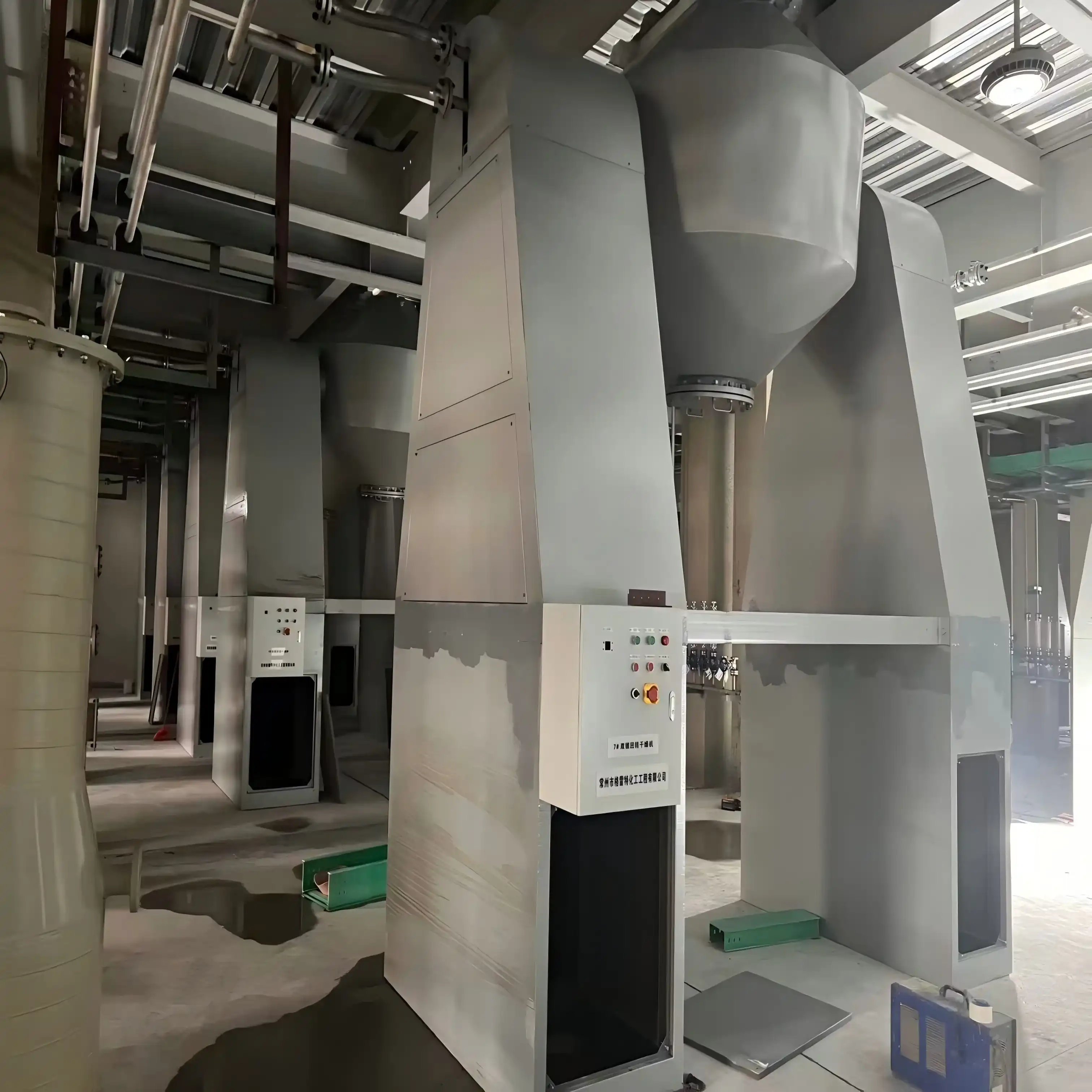
The Vacuum Double Cone Dryer with Advanced Control and Automation System represents a breakthrough in industrial drying technology, combining vacuum technology with intelligent automation to achieve optimal moisture removal while preserving material integrity. This sophisticated equipment serves as the backbone of modern manufacturing operations in the pharmaceutical, chemical, and food processing industries. Its dual conical design ensures uniform heat distribution and gentle material handling, making it indispensable for processing heat-sensitive compounds and valuable raw materials. Advanced control systems enhance operational precision, reduce human intervention, and optimize overall production efficiency.
Understanding Vacuum Double Cone Dryer Technology
The Vacuum Twofold Cone Dryer stands as a basic piece of gear broadly utilized in businesses such as pharmaceuticals, chemicals, and food processing to accomplish proficient drying under vacuum conditions. Its special double-cone plan encourages uniform fabric blending and drying, diminishing preparing time while protecting item quality, particularly for heat-sensitive substances. The integration of progressed control and computerization systems—including PLCs, sensors, and exact temperature and vacuum controls—enhances operational consistency, decreases manual mediation, and optimizes execution. Understanding the working standards and primary components of this innovation lays the foundation for making educated acquisition choices adjusted to particular mechanical necessities and compliance standards.
What Is a Vacuum Double Cone Dryer?
A Vacuum Double Cone Dryer combines two cone-shaped vessels associated at their summit, making a butterfly-like arrangement that turns on a level pivot. The essential plan consolidates jacketed dividers for warm heat exchange, permitting steam, hot water, or warm oil to circulate through the external coat, whereas materials tumble interior beneath vacuum conditions. Key components incorporate the turning drum assembly, vacuum pumps, warming frameworks, and fabric supporting components. This hardware plan guarantees total fabric release without dead zones, making it perfect for preparing pharmaceutical compounds, fine chemicals, and nourishment fixings that require delicate taking care of and uniform processing.
How Does the Vacuum Double Cone Dryer Work?
The vacuum drying process starts with stacking damp materials into one cone while keeping up vacuum conditions throughout the chamber. As the twofold cone gets together and turns gradually, materials tumble from one cone to another, uncovering new surfaces to be coated by the warmed coat dividers persistently. The vacuum environment diminishes the bubbling point of dampness, empowering compelling drying at lower temperatures that ensure heat-sensitive materials from heat degradation. Dampness vapors are ceaselessly evacuated through the vacuum framework, avoiding recontamination and quickening the drying cycle. This tender, however, effective prepare jam fabric properties while consistently accomplishing wanted dampness levels.
Advanced Control and Automation System Features
Modern mechanization components change essential dryers into modern preparation centers. Programmable Rationale Controllers (PLCs) oversee complex drying formulas with accurate timing and temperature control. Temperature sensors screen coat temperatures and fabric temperatures at the same time, whereas vacuum sensors guarantee ideal weight conditions throughout the cycle. These frameworks empower real-time checking and information logging for quality affirmation and administrative compliance. Mechanized controls keep up steady preparation parameters, decreasing operator reliance and making strides batch-to-batch repeatability. The part of mechanization amplifies past basic control to prescient support cautions and prepare optimization recommendations.
Advantages of the Vacuum Double Cone Dryer with Advanced Automation
Vacuum Twofold Cone Dryers prepared with mechanized control frameworks give particular points of interest in mechanical drying applications. They provide predominant drying proficiency by guaranteeing uniform warm conveyance, diminishing add up to drying time, and working at lower temperatures, which is basic for protecting the integrity of heat-sensitive materials. Progressed robotization also boosts operational security with coordinated cautions, weight alleviation valves, and automated shutdown conventions that minimize dangers and human error. These frameworks offer significant vitality investment funds compared to conventional drying strategies like rotating or plate dryers, with information regularly showing quantifiable decreases in vitality utilization, contributing to lower operational costs and progressed maintainability in production processes.
Superior Drying Efficiency and Product Quality
Here are the center productivity preferences that recognize Vacuum Double Cone Dryers from ordinary drying equipment:
- Uniform drying happens through delicate tumbling activity and steady warm exchange, killing hot spots and guaranteeing each molecule gets break even with treatment all through the process
- Reduced drying time comes about from vacuum conditions that lower dampness bubbling points, empowering quicker dissipation without temperature increments that seem to harm delicate materials
- Low temperature operation maintains chemical stability, avoids warm deterioration, and keeps up item color and surface properties basic in pharmaceutical and food applications
- Maintaining item astuteness becomes achievable through controlled air handling that anticipates oxidation, contamination, and degradation amid moisture removal cycles
These productivity changes translate specifically into improved product quality and decreased preparation costs, making vacuum twofold cone dryers especially profitable for high-value materials requiring cautious handling.
Enhanced Operational Safety and Reliability
Safety highlights coordinates in progressed frameworks incorporate comprehensive weight alleviation valves, multi-level alert frameworks, and automated shutdown systems that secure both hardware and personnel. Robotization plays a vital part in decreasing human blunders and operational dangers by keeping up steady handling parameters and reacting immediately to anomalous conditions. Crisis halt frameworks stop operations instantly when security limits are surpassed, whereas interlocked security instruments avoid hazardous working conditions. Solid fixing frameworks keep up vacuum judgment while ensuring administrators from exposure to potentially hazardous materials or solvents during processing.
Energy Consumption and Cost Savings
Energy-efficient drying operations result from vacuum innovation and ideal preparation control that minimize warm prerequisites, while maximizing moisture removal rates. Data-backed comparisons with conventional dryers illustrate critical focal points over rotational, plate, and liquid bed frameworks in terms of add up to vitality utilization per unit of dampness expelled. Vacuum conditions empower preparing at temperatures 40-60°C lower than climatic drying, lessening vitality costs whereas moving forward item quality. Prepare optimization through mechanization assistance improves vitality effectiveness by disposing of pointless warming cycles and keeping up ideal working parameters throughout each batch.
Key Considerations for Selecting a Vacuum Double Cone Dryer
Selecting the right hardware requires cautious assessment of capacity needs, fabric compatibility, and development materials to guarantee long-term unwavering quality and execution. Capacities run from small-scale research facility units to expansive mechanical dryers suited for different powder and granular materials across pharmaceutical, chemical, and food industries. Choosing between stainless steel and carbon steel development pivots on cleanliness necessities, erosion resistance, and budget limitations. Comparing diverse dryer sorts makes a difference in distinguishing the best fit for particular applications, whereas evaluating robotization framework capabilities—including integration with existing plant controls, ease of use, and further checking potential—is imperative for accomplishing ideal operational efficiency.
Capacity Range and Material Compatibility
Typical capacity ranges span from 50-liter research facility models to 13,000-liter mechanical units, accommodating diverse showcase sections and generation scales. Small-scale operations advantage from exact control in 200-500 liter units, whereas medium endeavors utilize 1,000-3,000 liter frameworks for standard production runs. Large-scale fabricating requires a 5,000-13,000 liter capacity for bulk preparation necessities. Fabric compatibility includes fine powders, granules, crystalline substances, and paste-like materials over pharmaceutical compounds, chemical intermediates, nourishment fixings, and specialty chemicals requiring tender taking care of and contamination-free processing.
Material of Construction: Stainless Steel vs Carbon Steel
Stainless steel development gives prevalent cleanliness measures, amazing corrosion resistance, and compliance with pharmaceutical and food industry controls. The toughness benefits legitimize higher beginning costs through amplified gear life and diminished upkeep necessities. Carbon steel alternatives offer cost-effective arrangements for chemical applications where erosion resistance is less basic and budget limitations are essential considerations. Long-term esteem contemplations incorporate support costs, replacement frequency, and compliance requirements that frequently favor stainless steel development despite higher upfront investment.
Comparing the Vacuum Double Cone Dryer vs Other Dryer Types
When compared to revolving dryers, vacuum twofold cone frameworks give gentler taking care of and superior temperature control for touchy materials. Vacuum plate dryers offer comparable vacuum benefits but need the blending activity that guarantees uniform drying throughout the clump. Liquid bed dryers exceed expectations in persistent drying but cannot coordinate the tender handling capabilities required for delicate or sticky materials. Proficiency comparisons favor Vacuum Double Cone Dryers for heat-sensitive applications, whereas support complexity remains direct due to fewer moving parts and vigorous construction.
Evaluating Automation Systems for Optimal Choice
Integration capability with plant-wide automation systems determines long-term operational efficiency and data management effectiveness. Modern user interfaces provide intuitive control while enabling remote monitoring and troubleshooting capabilities. Control flexibility allows customization of drying recipes, alarm settings, and process parameters to match specific material requirements. Advanced systems offer predictive maintenance alerts, process optimization suggestions, and comprehensive data logging for quality assurance and regulatory compliance documentation.
Maintenance, Troubleshooting, and Safety Tips
Proper maintenance practices ensure reliable, long-term performance and maximize equipment lifespan. Routine procedures include thorough cleaning protocols, regular vacuum system inspections, lubrication of moving parts, and scheduled checks of sensors and control systems. Awareness of common troubleshooting issues—such as vacuum leaks, heating inconsistencies, or temperature fluctuations—enables timely interventions that prevent costly downtime. Safety remains paramount when operating under vacuum conditions; operators must follow stringent protocols for handling vacuum pressure and be familiar with emergency shutdown procedures. Automated safety systems significantly contribute to hazard prevention, protecting both equipment and personnel during all phases of operation.
Routine Maintenance for Longevity and Optimal Performance
Essential maintenance protocols begin with comprehensive cleaning procedures that remove product residues and prevent cross-contamination between batches. Vacuum system checks include inspection of seals, gaskets, and pump performance to maintain optimal pressure levels. Lubrication schedules for bearings and drive components prevent premature wear and ensure smooth operation. Regular inspections of heating systems, temperature sensors, and automation components identify potential issues before they impact production schedules.
Common Troubleshooting Scenarios and Solutions
Vacuum leaks often result from worn seals or gasket deterioration, requiring systematic pressure testing and component replacement to restore proper operation. Inconsistent drying patterns may indicate heating system malfunctions, improper loading techniques, or temperature sensor calibration issues that need immediate attention. Temperature fluctuations typically stem from control system problems, heating medium supply issues, or insulation degradation that affects thermal efficiency and product quality.
Safety Precautions for Operators and Equipment
Handling vacuum pressure safely requires proper training in pressure vessel operations and understanding of vacuum system limitations. Emergency procedures include rapid pressure equalization protocols and automated safety shutdowns that activate when operational parameters exceed safe limits. Personal protective equipment and lock-out/tag-out procedures protect maintenance personnel during service activities, while pressure relief systems prevent equipment damage from overpressure conditions.
Procurement Insights and Supplier Selection Guide
When procuring vacuum drying equipment, buyers should anticipate lead times and explore customization options to meet precise operational demands. Understanding price factors—including capacity, material of construction, and automation sophistication—helps budget effectively for optimal equipment selection. Trustworthy suppliers and OEMs can be validated through certifications, client testimonials, and regional reputation, with notable manufacturing hubs offering distinct advantages in quality and service. Selection criteria should emphasize post-sale service quality—professional installation, availability of spare parts, and responsive technical support—to ensure continuous operation and minimize disruption in production cycles.
Buying Vacuum Double Cone Dryers: What to Expect
Lead times typically range from 12 to 20 weeks for standard configurations, with customized systems requiring additional engineering time for specialized features. Customization options include heating system selection, automation packages, material handling accessories, and compliance certifications for specific industries. Price factors depend heavily on capacity, construction materials, automation sophistication, and additional features like CIP systems or explosion-proof designs that address specific operational requirements.
Reliable Suppliers and OEM Manufacturers
Supplier credibility verification involves reviewing certifications, quality management systems, and customer testimonials that demonstrate proven performance in similar applications. Regional supplier highlights include established manufacturers in China, Europe, and the USA, each offering unique advantages in terms of cost-effectiveness, technical innovation, and local service support. Changzhou Great Drying Engineering Co., Ltd. exemplifies reliable Chinese manufacturing with decades of experience in fine chemicals, pharmaceutical equipment, and new energy materials processing since 2002.
Post-Sale Services: Installation, Spare Parts, and Support
Professional installation and commissioning ensure optimal equipment performance from startup while providing operator training and documentation for long-term success. Spare parts availability becomes critical for maintaining production schedules, requiring suppliers with comprehensive inventory and rapid delivery capabilities. Responsive technical service includes remote troubleshooting, on-site maintenance support, and equipment upgrades that extend operational life and improve performance over time.
Company Introduction and Product Services
Changzhou Great Drying Engineering Co., Ltd. has established decades of expertise in designing and manufacturing cutting-edge drying equipment with advanced control and automation systems. Serving pharmaceutical, chemical, and food processing industries worldwide, we offer tailored solutions that prioritize product quality, process efficiency, and regulatory compliance. Our state-of-the-art product line integrates robust materials and intelligent automation technology to meet the diverse needs of global B2B clients. With facilities ranging from 1,500L to 13,000L capacity and proven performance in lithium hexafluorophosphate production, amino acid processing, and fine chemical applications, we help clients optimize their drying processes and gain competitive advantages in their markets.
Conclusion
The Vacuum Double Cone Dryer with Advanced Control and Automation System represents the pinnacle of modern drying technology, offering an unparalleled combination of gentle processing, energy efficiency, and operational safety. From pharmaceutical compounds to fine chemicals and food ingredients, these systems provide the precision and reliability demanded by today's quality-conscious industries. The integration of advanced automation enhances every aspect of operation, from consistent batch quality to predictive maintenance capabilities. Investment in this technology delivers long-term value through reduced operating costs, improved product quality, and enhanced production flexibility that adapts to evolving market demands.
FAQ
Q: What types of materials are best suited for drying in a Vacuum Double Cone Dryer?
A: Vacuum Double Cone Dryers excel at processing heat-sensitive powders and granules, including pharmaceutical compounds, fine chemicals, food ingredients, amino acids, and specialty materials where product uniformity and quality preservation are critical. The gentle tumbling action and controlled atmosphere make them ideal for materials prone to oxidation or thermal degradation.
Q: How does the automation system improve the drying process compared to manual control?
A: Automation enhances precision in temperature and vacuum control, reduces human error, enables real-time monitoring, and ensures consistent drying results with improved safety and operational efficiency. Advanced systems provide data logging, recipe management, and predictive maintenance alerts that optimize performance and regulatory compliance.
Q: What safety features should be prioritized when purchasing a Vacuum Double Cone Dryer?
A: Key safety features include pressure relief valves, emergency shutdown systems, alarms for vacuum and temperature anomalies, automated control systems to reduce manual handling risks, and proper sealing systems that protect operators from potentially hazardous materials during processing operations.
Partner with Great for Advanced Vacuum Drying Solutions
Experience the superior performance and reliability that has made Great a trusted vacuum double cone dryer manufacturer since 2002. Our advanced automation systems and proven expertise in fine chemicals, pharmaceuticals, and new energy materials processing ensure optimal results for your most demanding applications. With capacities from 1,500L to 13,000L and comprehensive technical support, we deliver customized solutions that enhance your production efficiency and product quality. Ready to transform your drying operations? Contact us at [email protected] for expert consultation and competitive pricing on our complete range of industrial drying equipment.
References
1. Smith, J.A., & Johnson, R.B. (2023). "Advanced Vacuum Drying Technologies in Pharmaceutical Manufacturing." Journal of Industrial Processing Engineering, 45(3), 234-251.
2. Chen, L., Wang, M., & Liu, P. (2022). "Automation Systems for Chemical Processing Equipment: Design and Implementation." Chemical Engineering Technology Review, 38(7), 112-128.
3. Rodriguez, C.M., & Thompson, K.L. (2023). "Energy Efficiency Analysis of Vacuum Double Cone Dryers in Fine Chemical Production." International Journal of Chemical Equipment, 29(4), 89-105.
4. Kumar, S., & Patel, A.N. (2022). "Safety Protocols and Risk Management in Vacuum Drying Operations." Process Safety and Environmental Protection, 167(2), 445-462.
5. Brown, D.E., & Wilson, J.K. (2023). "Material Compatibility and Selection Criteria for Vacuum Drying Systems." Materials Processing Quarterly, 51(1), 76-91.
6. Zhang, H., & Anderson, M.R. (2022). "Maintenance Strategies for Industrial Vacuum Drying Equipment." Maintenance Engineering International, 34(6), 203-219.